FLXO
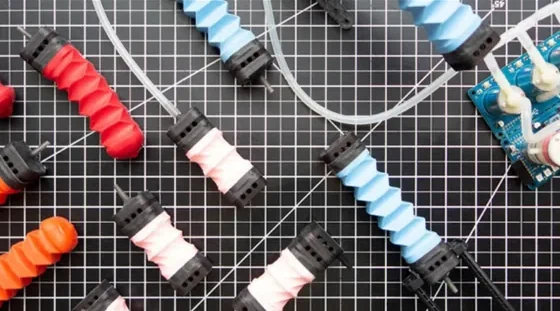
FLXO merges origami folding and 3D printing to create robust soft actuators that seamlessly integrate with the VeX robotics platform.
Project type
An individual research project and my thesis. A thinking tool for soft-robotics exploration, made of modular interlocking pneumatic muscles.
My role
Research, design, engineering, prototyping and presentation
Outcome
- Reliable, durable actuators that work repeatedly in a predictable way
- Print and prep an actuator in less than 1 hr
- Puncture and cut-proof, driven with just -6 Psi from cheap 12VDC air pumps
- CAD files that are easily modifiable and shareable over the internet
Featured on


Context
What is a soft robot?
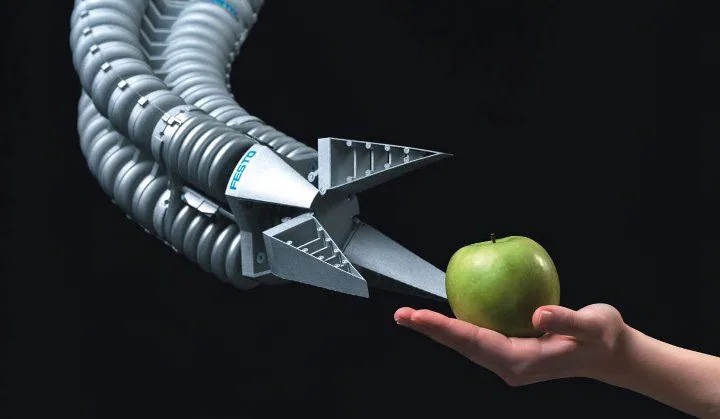
Soft robotics combines biomimetics and unconventional materials. Soft robots are squishy and highly adaptive to their surroundings, which makes them safe for collaborative work with humans.
Central to any setup are soft actuators. You can think of these as soft and squishy motors without any moving parts!

Challenge
Soft robotics are stuck inside the lab, how can we make them more accessible?
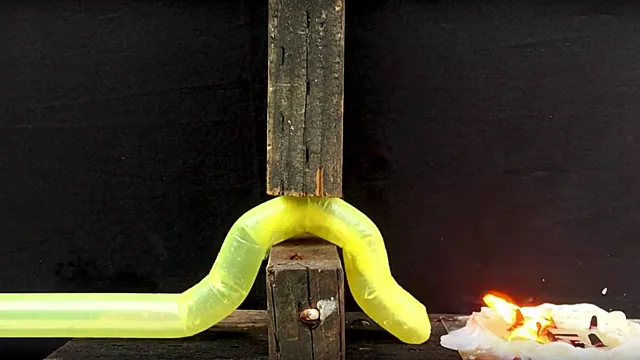
A large part of the exploration takes place in well-funded research labs. Actuators are usually designed for one time use, are highly vulnerable to cuts and puncture, and behave unpredictably over time.
Anyone who wants to tinker needs to go through the tedious process of design, fabrication and material sourcing. This creates a bottleneck in open exploration.
Target user
Who is this for?
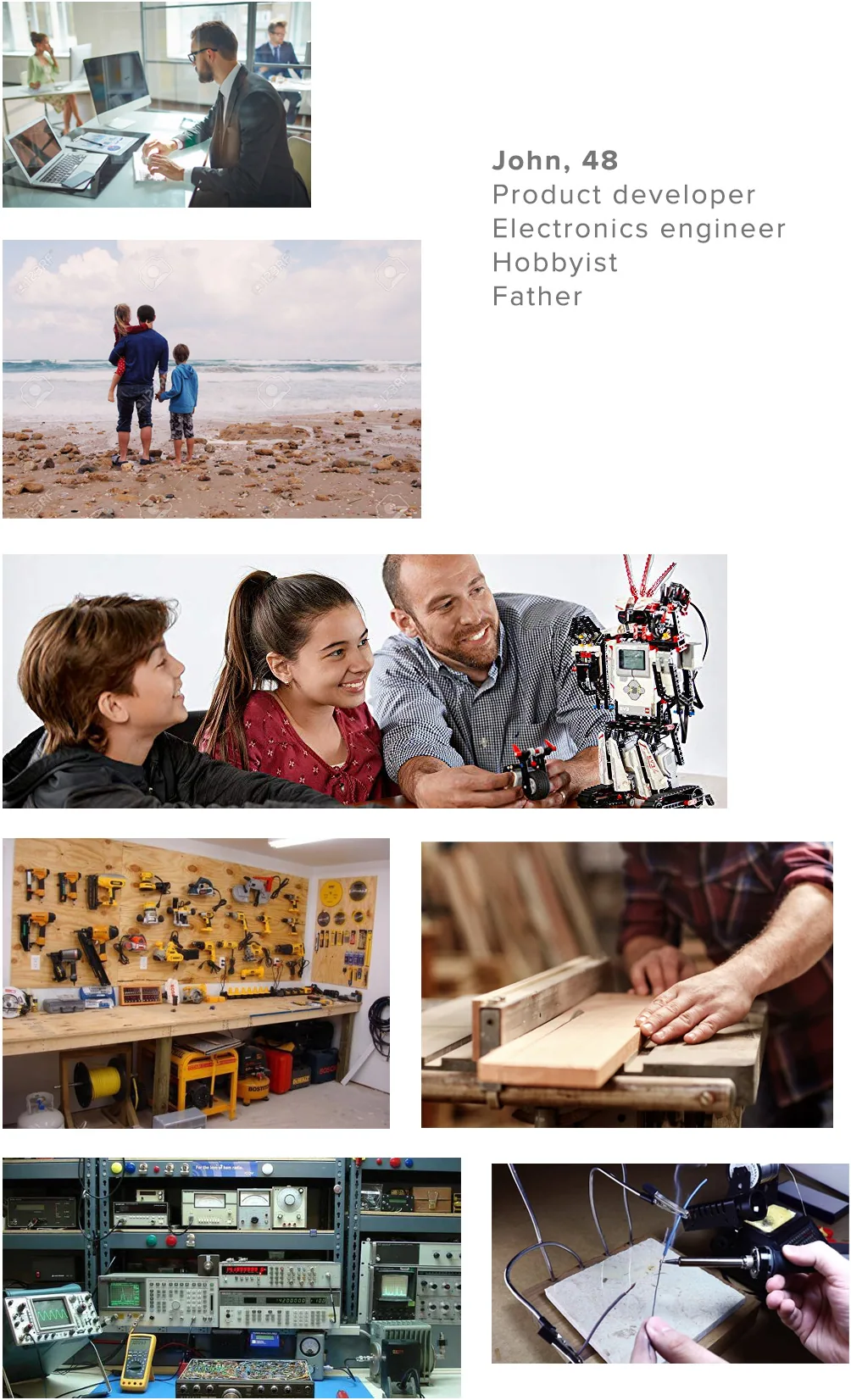
For makers, hobbyists, tinkerers and curious minds who enjoy building things, experimenting with technology and learning by doing. Whether it's a personal project, a weekend experiment or getting their kids involved, they like figuring out how things work.
"I wanted to incorporate a soft gripper in one of my projects but didn't know how to make one. A ready-to-use kit would be really handy!" - Sam Chasan, artist and coder
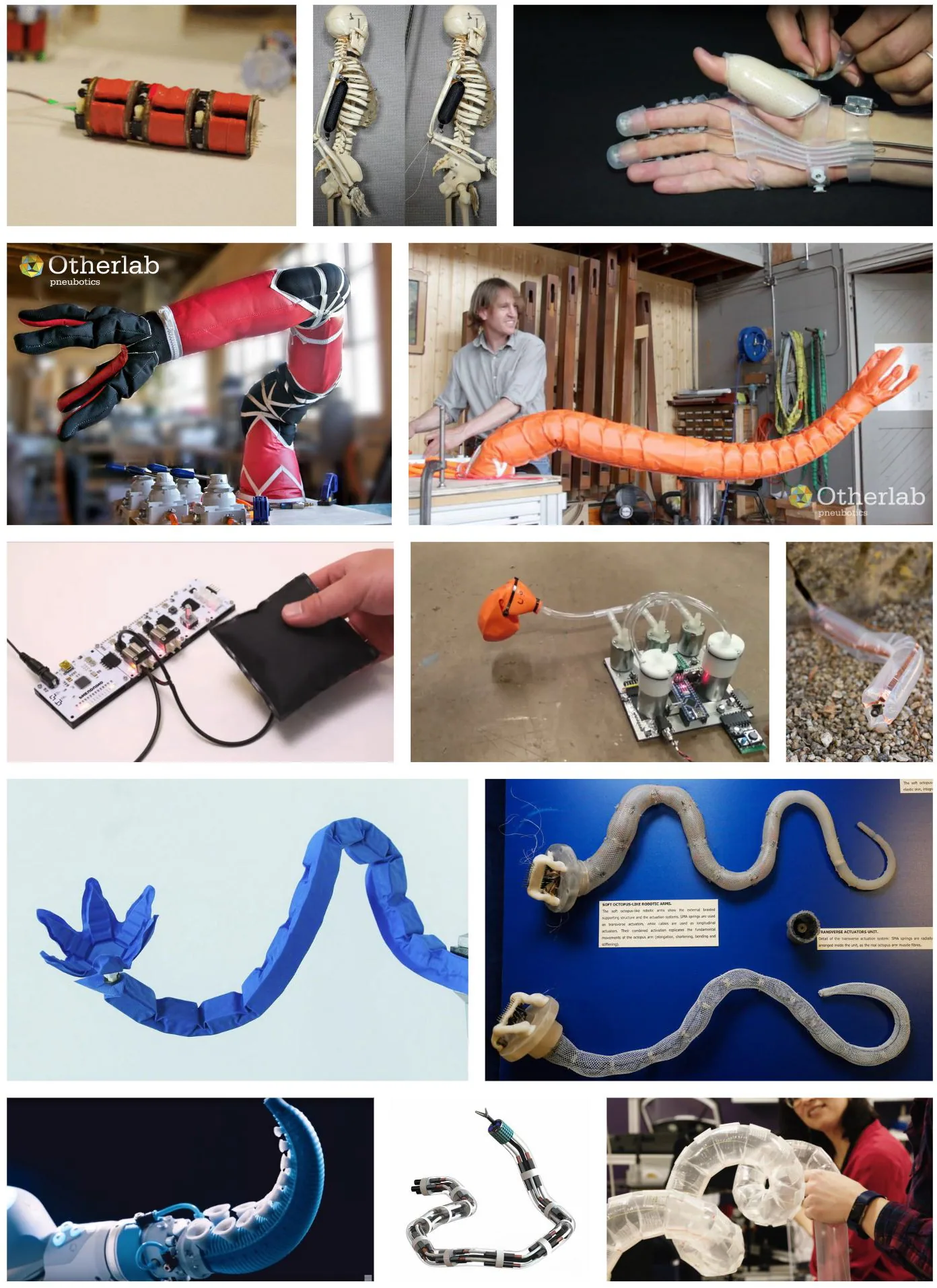
Mapping the current research
- ApplicationsWhile really impressive, most of the research came out of well-funded research labs in elite institutions and was largely geared towards either search and rescue, surgical, pick and carry robots, or exoskeletons, and hence far from regular consumer use
- MaterialsAn overwhelming number of projects use soft silicone, which is not very durable outside of the lab.
- ModularityWhile I did see some examples of modular soft robots, most modules were designed for easy assembly and disassembly or for task-specific modularity, rather than for creative exploration, like Lego
- Open-source communityThe soft robotics toolkit is the only resource for casting your own, and it has been inactive for a couple of years.
- HardwarePneuduino and Programmable Air (used for this project) are great open-source air control units.
5 key questions to explore through the project
- How can we make a modular, plug-and-play system for rapid prototyping with soft actuators?
- What is the mechanism for coupling the modular elements?
- How can we simplify and standardize the fabrication process of soft actuators
- How to design for compatibility with external actuators like pneumatic, hydraulic, etc?
- How well can the components integrate with other existing robotics kits?
Early experiments
Version 1: Silicone 00-50 + 3D printed molds
The first experiment failed spectacularly
- Did not produce the desired result
- Labor-intensive and messy to fabricate
- Results weren't exactly repeatable
- Lacked structural stability
- Vulnerable to cuts and punctures
Version 2: Silicone 00-30 skin on open-cell foam
Thick silicone brushed on upholstery foam, designed for deflation as it is more organic and safer to control. Unfortunately, I yet again faced all the same issues.
"It's weirdly flesh-like, can you not use silicone?"
- Beverly Chou, creative technologist
Version 3
Version 3: 3D Printing origami
I needed a radically new approach, and I was thinking of ways to get rid of silicone altogether.
I finally thought of combining 3D printing and origami. Printing simple origami mechanisms in a flexible TPU filament produced very reliable soft actuators.
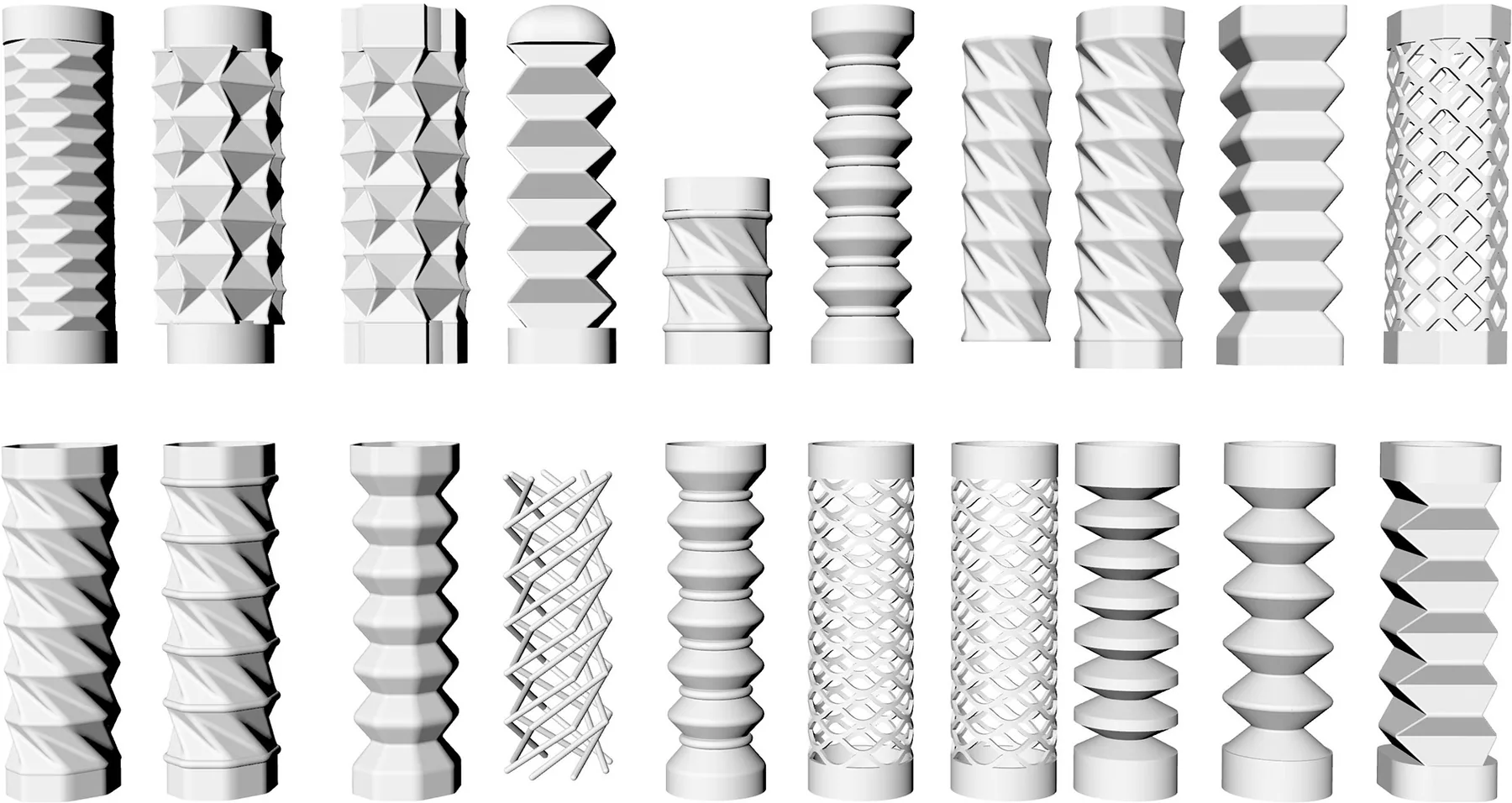
I researched several origami and bellow-inspired folding patterns and modified them as a single solid body in Rhino.

I also designed the coupling adapters in Rhino, to be 3D printed in Polyjet for high resolution.
After numerous iterations, I worked out the right wall thickness and print settings for a clean print on the Ultimaker 3 with a dual extrusion head.
The final kit
FLXO actuators integrated into the VeX robotics platform
The 4 different soft actuators are the basic building blocks for any given mechanism.
VeX robotics pieces easily snap into the soft actuators, enabling rapid prototyping of hybrid, soft and rigid robotic mechanisms. Here are some of my own examples.